
Quik Blox: Executive Summary
- The Problem
Traditional housing construction is fundamentally broken by three converging crises: extreme labor shortages, skyrocketing material costs, and severe structural vulnerability. Conventional methods rely heavily on wood framing, poured concrete, and wet-mortar techniques that demand scarce, skilled labor and generate massive carbon footprints. Furthermore, as extreme weather events—such as category-five typhoons and severe storms—increase in frequency, standard residential builds routinely fail, leaving vulnerable communities trapped in costly cycles of destruction and rebuilding. Current affordable housing initiatives often sacrifice structural longevity for speed, resulting in short-term fixes that cannot withstand climate realities. - The Solution
Quik Blox is a patented, mortarless interlocking masonry system engineered to deliver immediate-assembly, zero-slump structural durability. By replacing traditional wet-mortar with a precision-engineered, dry-cast block design, the system eliminates skilled labor bottlenecks and slashes construction timelines. Built using sustainable material chemistry—incorporating zero-slump dry-cast concrete, basalt fiber reinforcement, and upcycled industrial byproducts like mine tailings and lime kiln dust—Quik Blox provides a dual breakthrough: a drastically lower embodied carbon footprint paired with elite structural resilience proven through a decade of rigorous field-testing in extreme typhoon environments. - Material Science & Innovation
Quik Blox redefines structural masonry chemistry by replacing resource-heavy, traditional wet-mortar ingredients with a high-performance, sustainable mix. The system utilizes a precision-engineered, zero-slump dry-cast concrete process reinforced with basalt fiber for high tensile strength and impact resistance. Furthermore, the mix integrates upcycled industrial byproducts—including mine tailings and lime kiln dust (LKD)—drastically reducing the embodied carbon footprint of every block while transforming waste materials into high-integrity structural components. - Field-Tested Proof of Performance
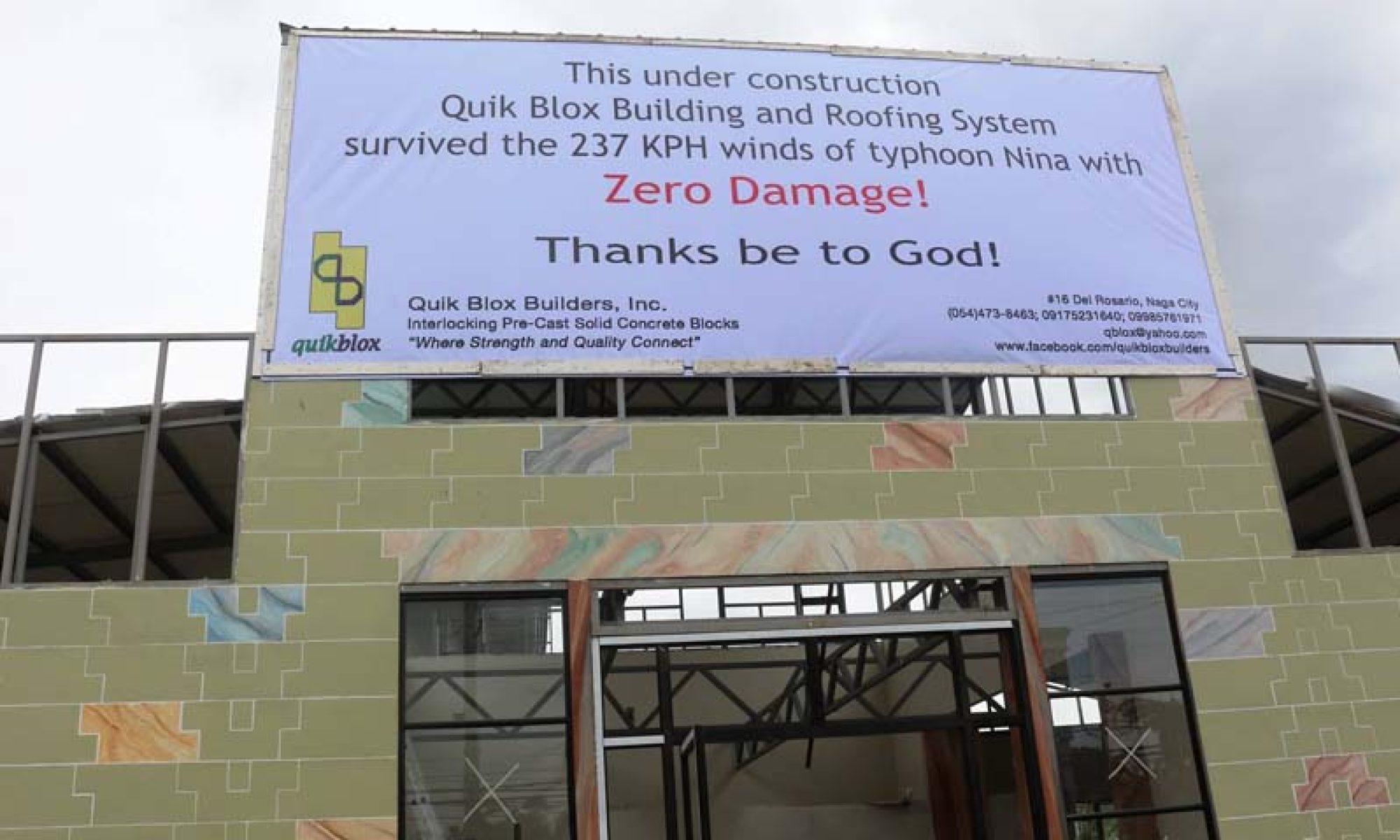
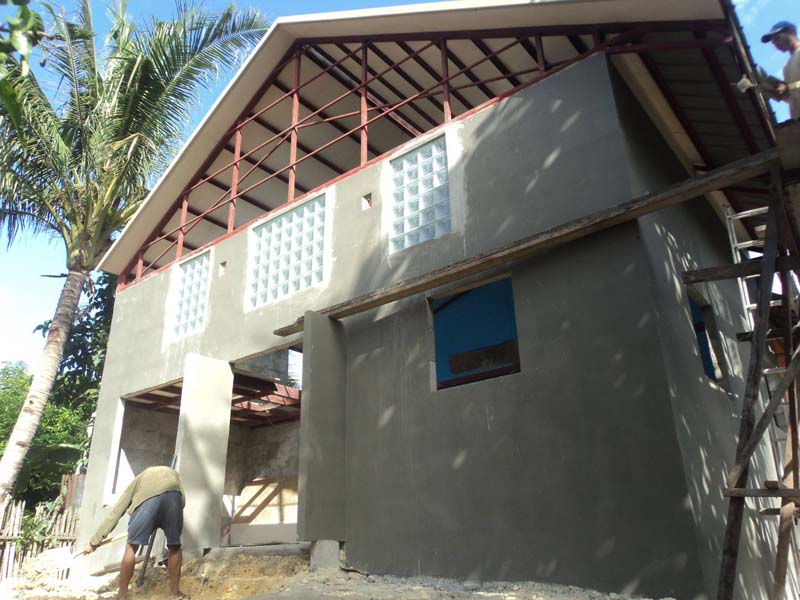
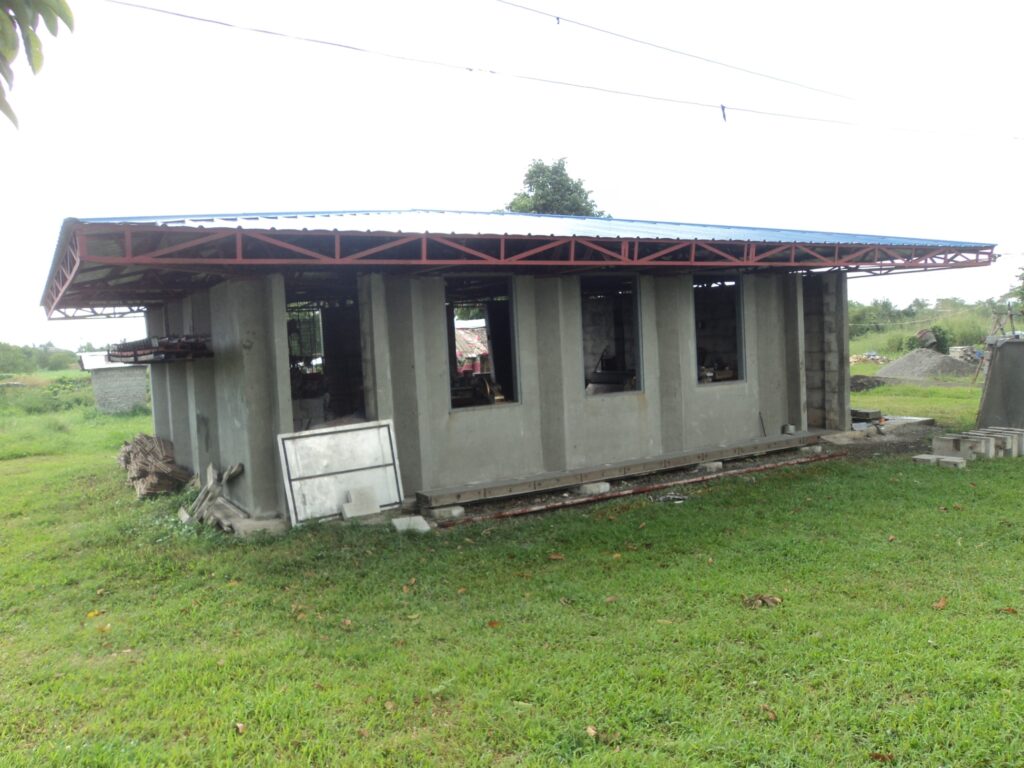
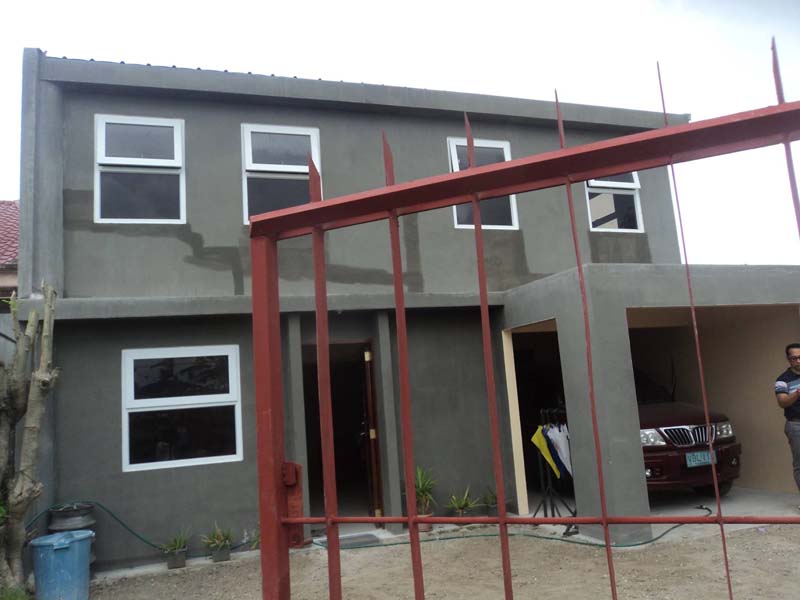
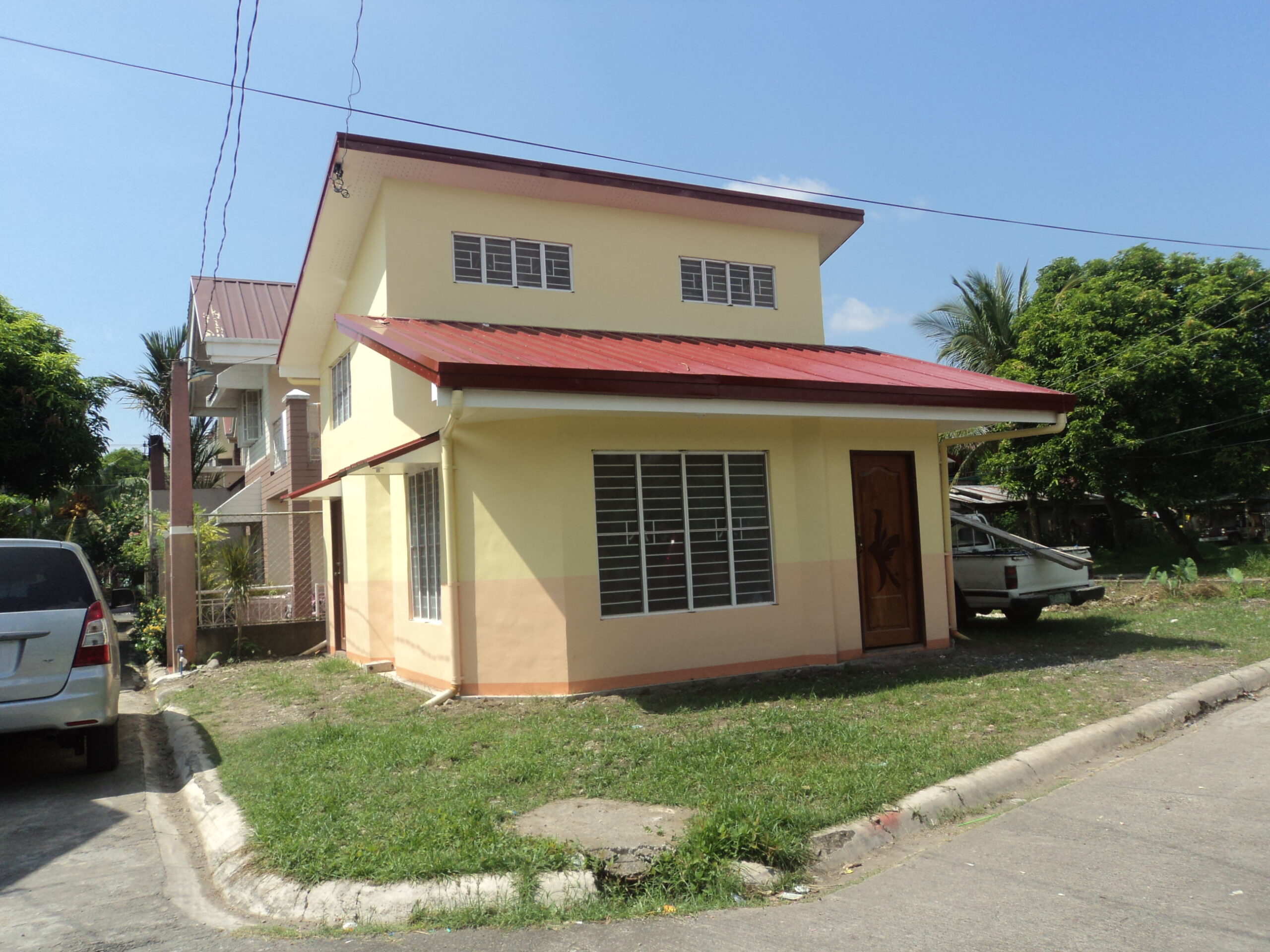
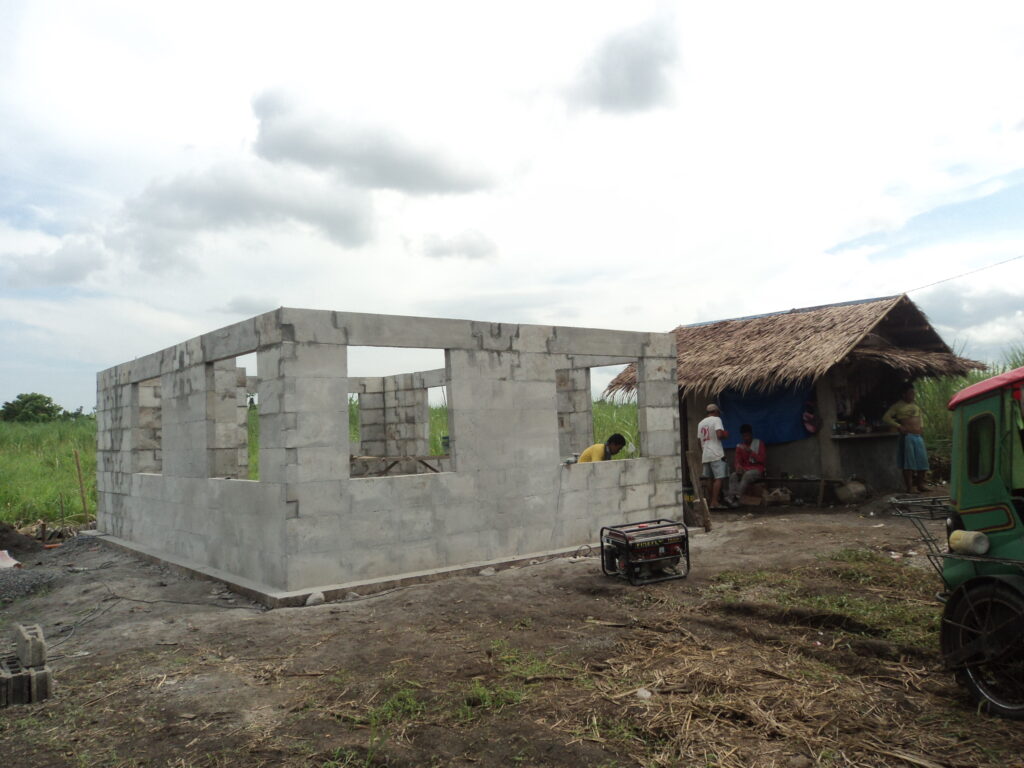
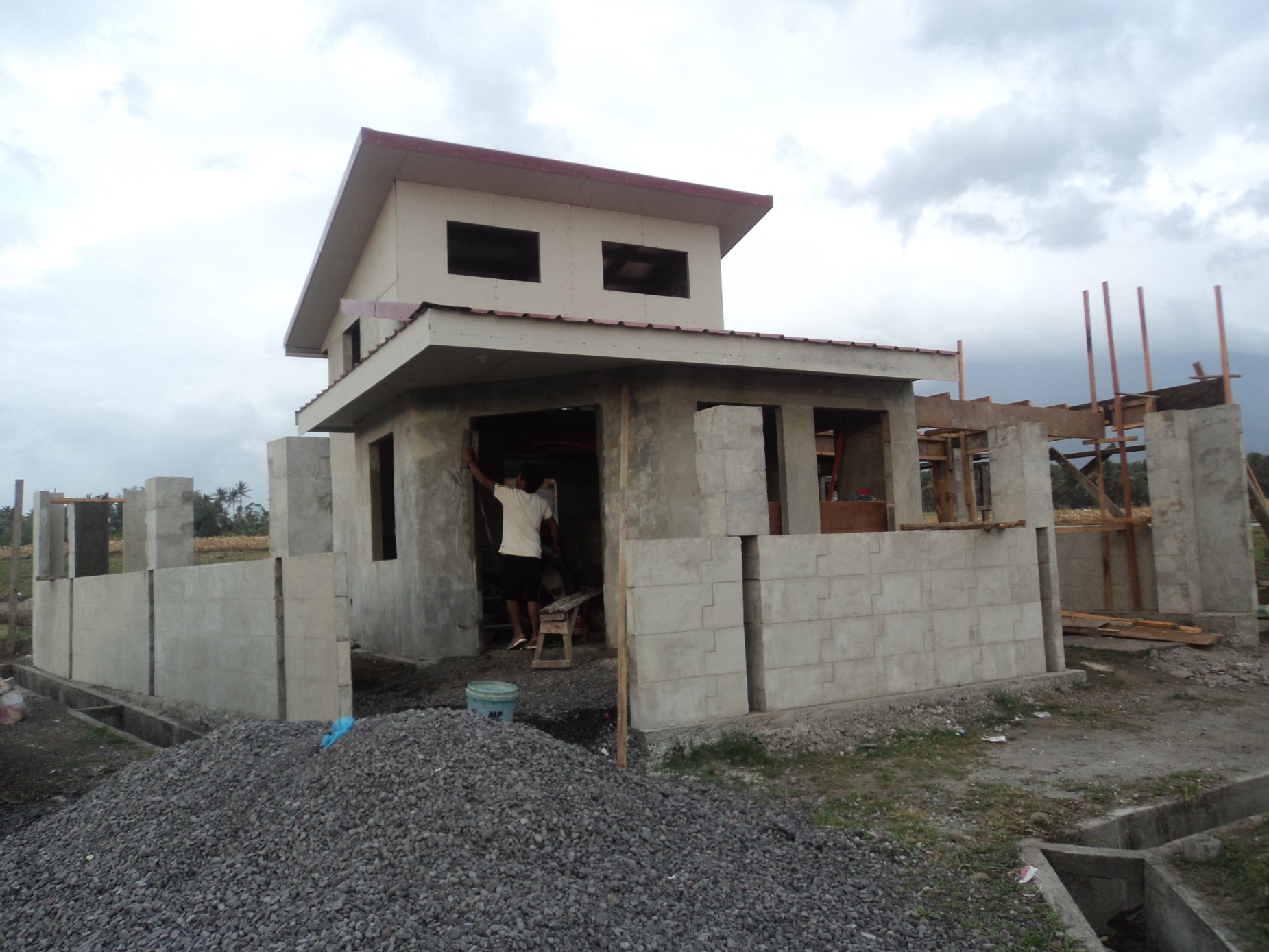
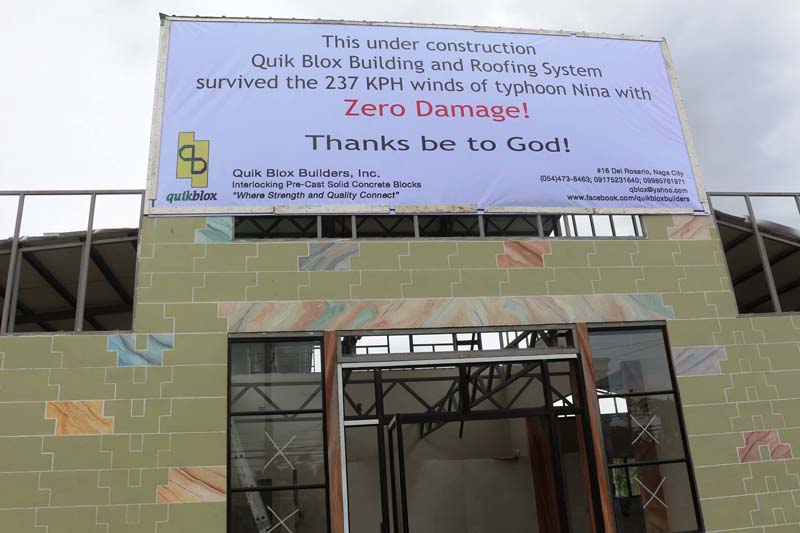
Unlike early-stage concepts reliant on laboratory models, Quik Blox is a fully de-risked innovation backed by a decade of large-scale field testing in Typhoon Alley (Naga City, Philippines). Subjected continuously to category-five equivalent wind speeds, severe torrential rains, and seismic shifts, the mortarless interlocking system proved its structural survivability under the most punishing environmental conditions on earth. This extensive deployment validates its speed of dry-stack assembly, thermal efficiency, and elite wind-shear resistance in the real world. - Scalability & Go-To-Market Execution
Regional Manufacturing Hubs: Transitioning from field-tested validation to commercial scale, the immediate roadmap focuses on establishing standardized production cells (such as targeted operational hubs in Delta, Utah). These facilities will utilize localized dry-cast block-production units designed for rapid deployment near high-demand housing or disaster-recovery zones.Capital Deployment Strategy: Grant funding will be directed toward scaling proprietary mold fabrication, automating the dry-cast production cells, and finalizing formal domestic ASTM regulatory compliance testing to clear pathways for municipal adoption. - Social & Economic Impact
Affordability Meets Climate Resilience: By collapsing construction timelines, slashing labor dependencies, and utilizing recycled industrial byproducts, Quik Blox drastically lowers the per-square-foot cost of building. - Dignified, Safe Housing
The resulting structures offer families and communities an immediate, permanent shield against recurring natural disasters—turning sustainable waste materials into life-saving, resilient infrastructure.
Why the name Quik Blox?
Construction productivity determines the speed, scalability, and workforce requirements of every building program. Conventional masonry methods depend upon large crews, repetitive material handling, and labor-intensive installation processes.
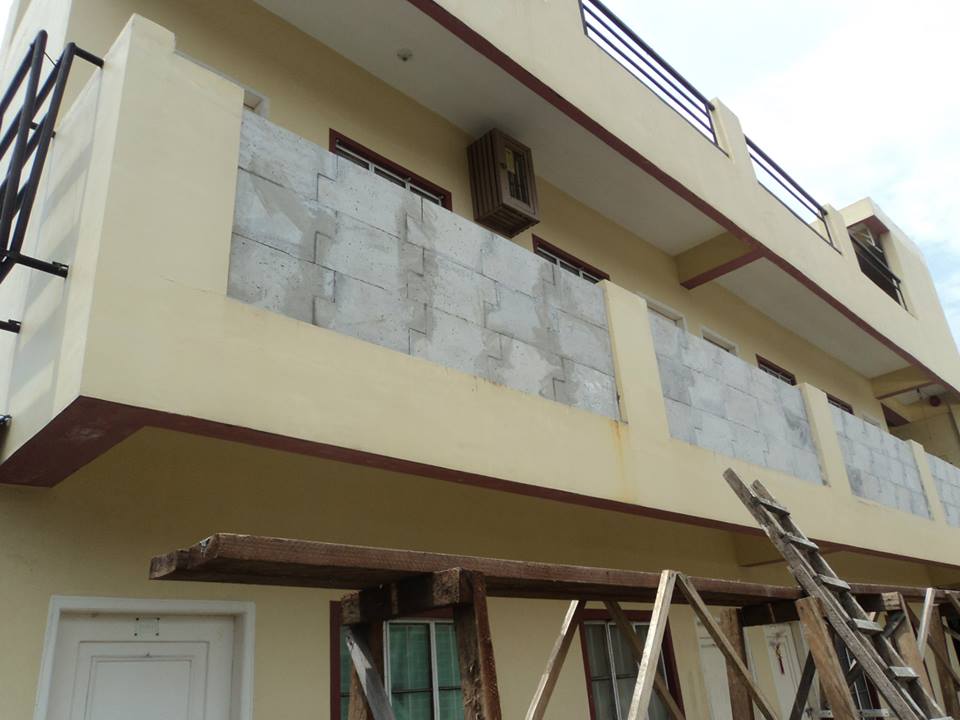
The Quik Blox system replaces many of these constraints with a synchronized manufacturing and assembly model that enables rapid wall erection with minimal manpower. Field performance data demonstrates substantial reductions in labor requirements, material handling activities, and overall construction duration while maintaining continuous production and installation flow.
The system achieves a production rate of 360 square meters of structural wall during a twenty-four-hour operating cycle. A three-person crew installs fifteen square meters of wall per hour, precisely matching manufacturing output. This one-to-one relationship eliminates material accumulation, reduces idle time, and maintains continuous workflow from production to final installation.
Increased Manpower Efficiency and Reduced Demands
Labor efficiency represents a primary advantage. The system requires only 0.20 man-hours to erect one square meter of structural wall. Each worker installs five square meters per hour. Conventional masonry operations require substantially larger crews and additional personnel for mortar preparation, material staging, alignment verification, cleanup, and support activities. The Quik Blox approach removes many of these requirements through mechanical alignment and dry-stack assembly.
Reduced manpower requirements also improve project scalability. Construction programs frequently encounter shortages of experienced masons and other specialized trades. A three-person installation crew requires less recruitment, training, coordination, and scheduling than conventional wall construction teams. This simplified workforce model supports deployment across multiple projects simultaneously.
Large-Scale Commercial and Industrial Construction
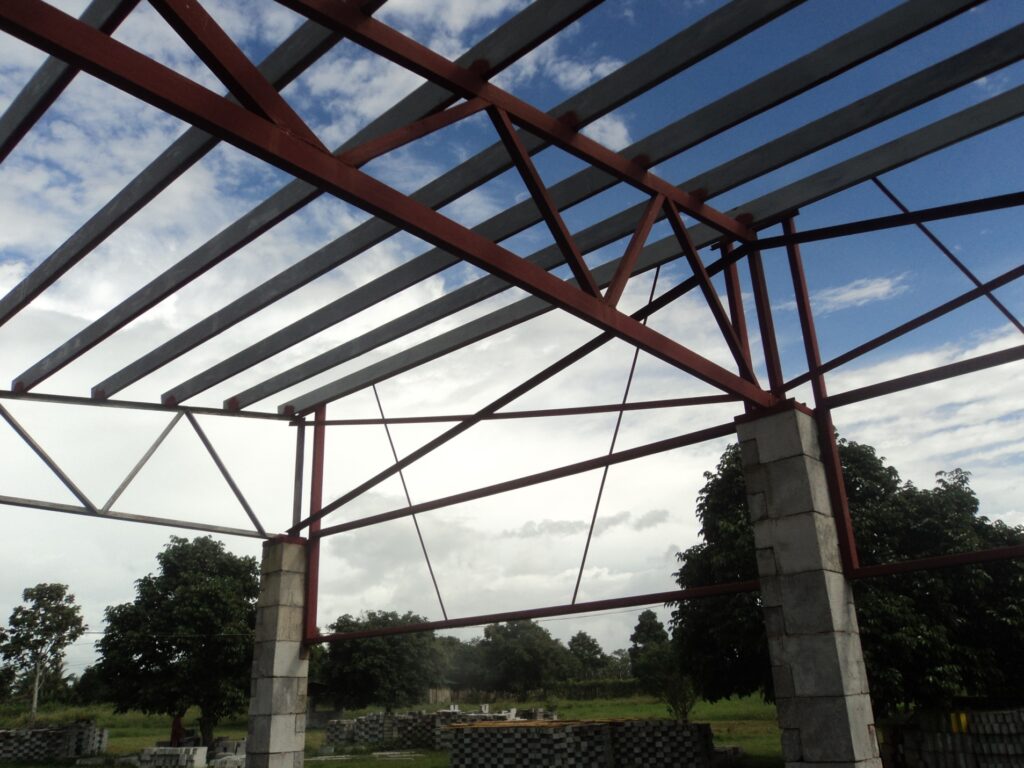
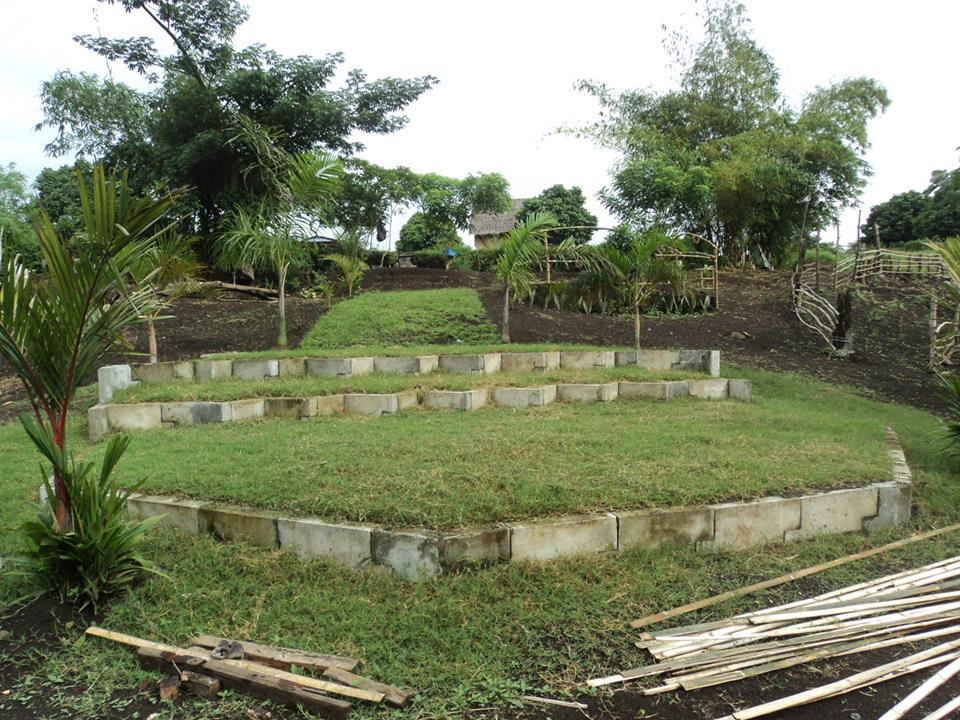
Field validation in the foothills of Mt. Isarog near Pili, Camarines Sur, in the Bicol region of the Philippines, demonstrated the operational impact of this approach. Quik Blox workers placed 160 tons of structural material in 210 man-hours while transferring material directly from delivery vehicles onto the wall profile. The project achieved a throughput rate of 0.76 tons per man-hour and eliminated secondary staging, repeated handling, and post-installation cleanup operations.
These results empirically demonstrate an incremental improvement and a fundamental increase in construction productivity.
By synchronizing manufacturing output with installation capacity and reducing workforce requirements, the Quik Blox Engineering Solutions compress project schedules, simplify logistics, and enable a more rapid deployment across diverse construction applications.
The available field data confirms that productivity gains arise from operational design rather than workforce intensity, creating a scalable platform for accelerated construction delivery without putting quality or safety at risk.
FROM THE BLOG